
Flat Pack vs. Folding Container House: Which Solution Fits Your Project?
When planning a modular building project, transportation, installation and project scale are important factors to consider.
Flat Pack Container Houses and Folding Container Houses are both practical modular building solutions, but they use different structural and transportation approaches.
Understanding the differences can help project owners, contractors and distributors choose a solution that better fits their project requirements.
1. What Is a Flat Pack Container House?
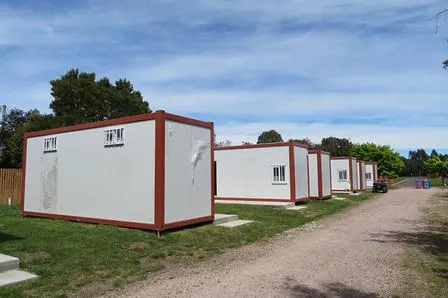
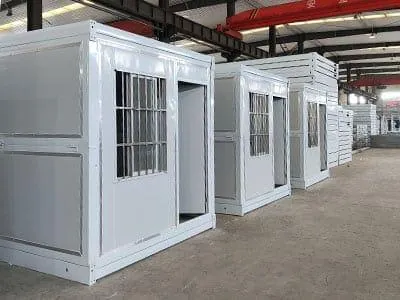
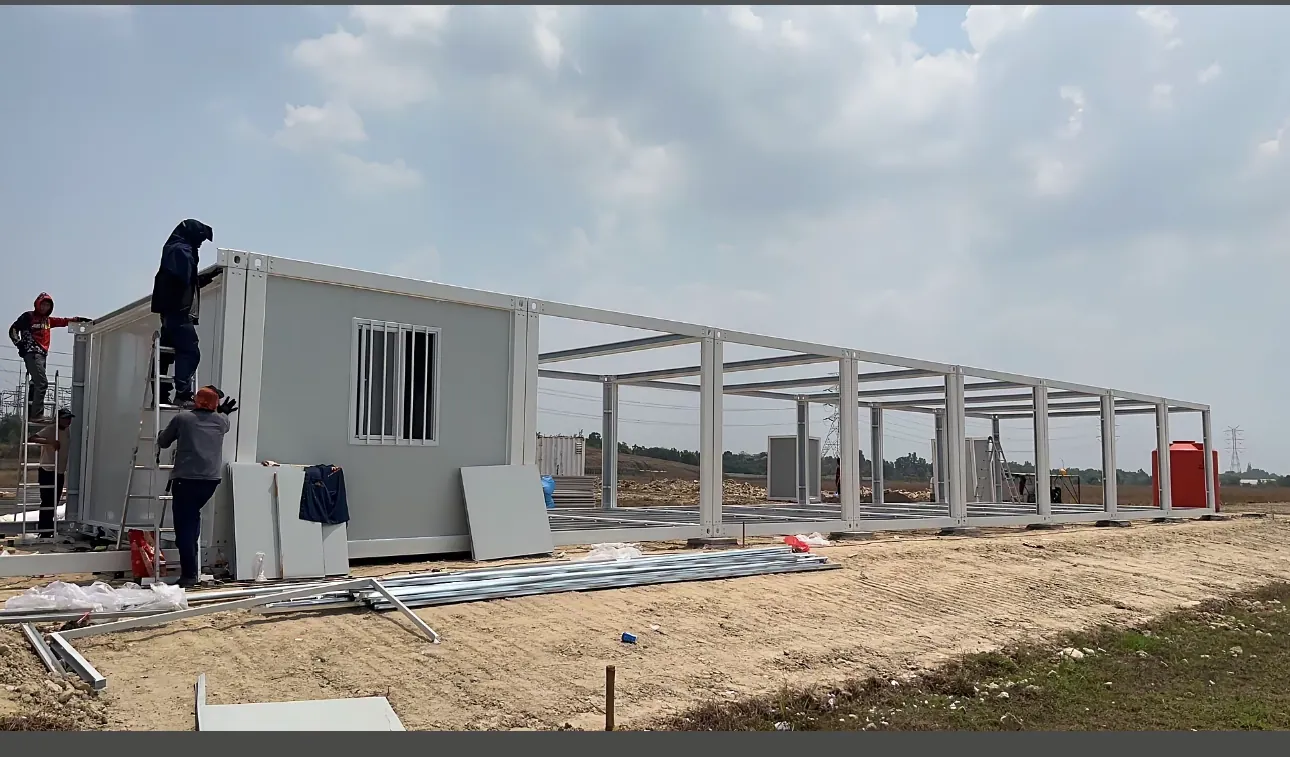
A Flat Pack Container House is designed with modular components that can be packed and transported in a relatively compact, flat configuration.
The main structural and building components are transported to the project site and assembled according to the required layout.
This modular approach makes Flat Pack Container Houses suitable for projects where multiple units need to be combined into larger buildings or organized into complete project facilities.
Typical Applications
- Worker accommodation
- Construction camps
- Project offices
- Site facilities
- Temporary housing
- Large modular building projects
One of the main advantages of a flat pack system is its flexibility in layout and project configuration.
Units can be arranged individually or combined to create larger spaces according to the project requirements.
2. What Is a Folding Container House?
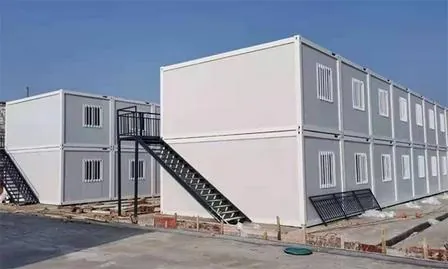
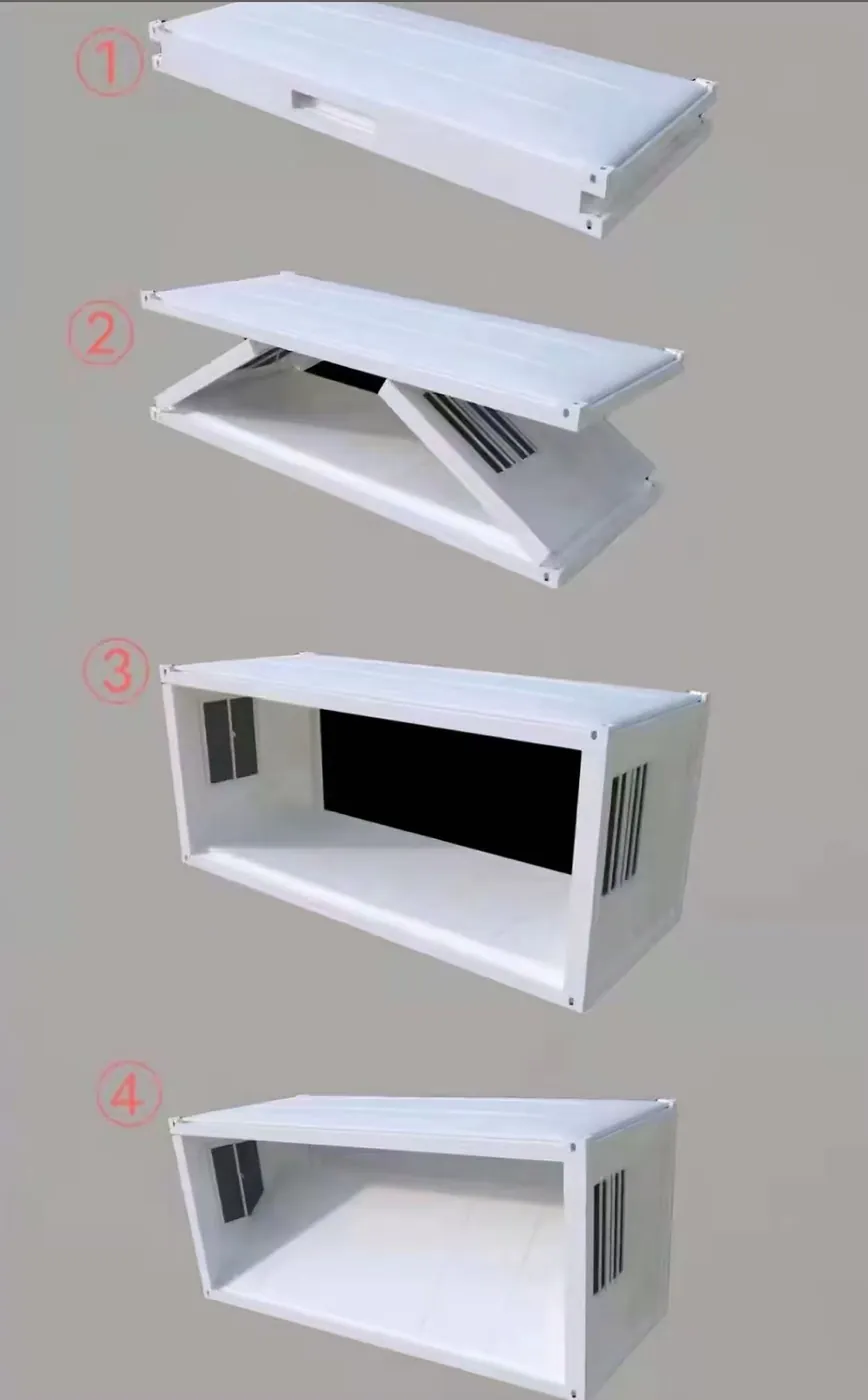
A Folding Container House uses a folding structural design that allows the building to be folded into a more compact configuration for transportation.
At the project site, the structure is unfolded and prepared for use.
The system is particularly suitable for projects where rapid deployment, flexible transportation and multiple units are important considerations.
Typical Applications
- Worker accommodation
- Site offices
- Remote project camps
- Mining projects
- Infrastructure projects
- Temporary facilities
For projects located in remote areas, the compact transportation configuration can be an important consideration when planning logistics.
3. Flat Pack vs. Folding: Key Differences
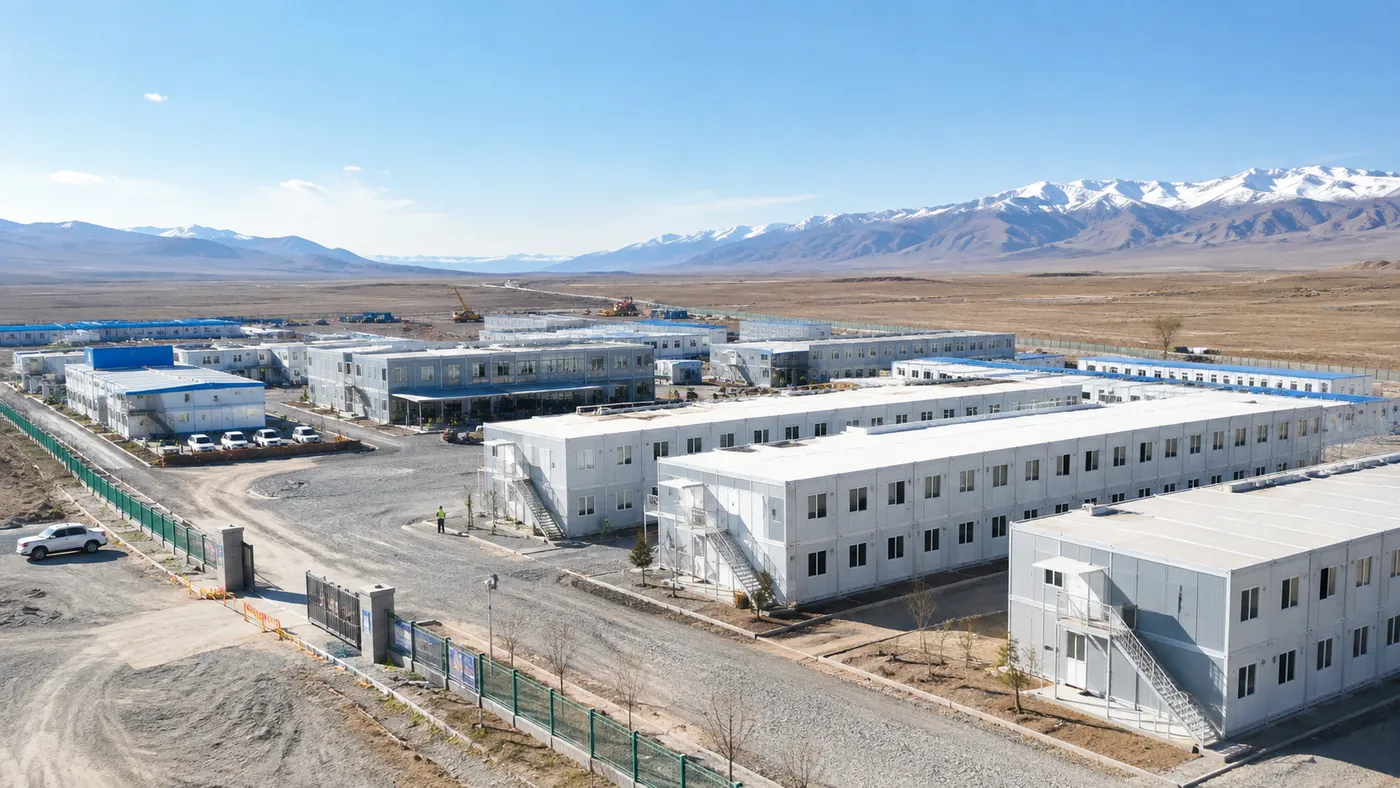
Although both products are modular buildings, their structural concepts are different.
| Feature | Flat Pack Container House | Folding Container House |
|---|---|---|
| Structural Concept | Modular components assembled on site | Folding structural system |
| Transportation | Components packed in a flat configuration | Building folded into a compact configuration |
| Installation | Assembly required at the project site | Unfolding and finishing required at the project site |
| Layout | Flexible for different building configurations | Suitable for repeated unit deployment |
| Typical Applications | Camps, offices, housing and larger facilities | Worker camps, site offices and remote projects |
| Project Consideration | Layout flexibility and project configuration | Deployment and transportation efficiency |
The actual transportation and installation method can vary depending on the product configuration and project requirements.
4. When Should You Choose a Flat Pack Container House?
A Flat Pack Container House can be considered when layout flexibility and larger project configurations are important.
For example, a construction or mining project may require accommodation buildings, offices, dining areas and other facilities.
Flat pack units can be arranged and combined according to the overall site plan, making them suitable for projects where different functional areas need to be organized together.
Flat Pack is suitable for:
Worker Accommodation · Project Offices · Construction Camps · Project Facilities
It can also be a practical option for distributors and contractors who need a modular system that can be configured for different types of projects.
5. When Should You Choose a Folding Container House?
A Folding Container House can be considered when compact transportation and efficient deployment are important factors.
This can be particularly useful for temporary construction sites, remote projects and worker accommodation where multiple units may need to be deployed.
The folding structure allows the units to be transported in a compact configuration and prepared for use at the project location.
Folding is suitable for:
Worker Accommodation · Site Offices · Remote Project Camps · Temporary Facilities
For projects that may change location or require temporary facilities, flexibility in deployment can also be an important consideration.
6. Which Solution Fits Your Project?
The choice between Flat Pack and Folding depends on the specific requirements of the project.
Choose Flat Pack when:
- You need flexible building layouts
- You are planning a larger modular camp
- Multiple functional spaces are required
- Accommodation and project facilities need to be combined
- Site layout flexibility is important
Choose Folding when:
- Transportation efficiency is an important consideration
- Multiple units need to be deployed
- The project is temporary or remote
- Worker accommodation is required
- Fast and flexible deployment is important
There is no single solution for every project. The right choice depends on the project location, building purpose, quantity, layout and transportation requirements.
7. Modular Solutions for Different Projects
At ZT Modular, we provide both Flat Pack and Folding Container Houses for different project applications.
Our modular building solutions can be used for:
Construction · Mining · Infrastructure · Accommodation · Project Facilities
We can discuss your project requirements, including the intended use, quantity, layout and delivery conditions, and recommend a suitable modular building solution.
Need help choosing the right solution?
Tell us about your project and we can help you compare the available options.